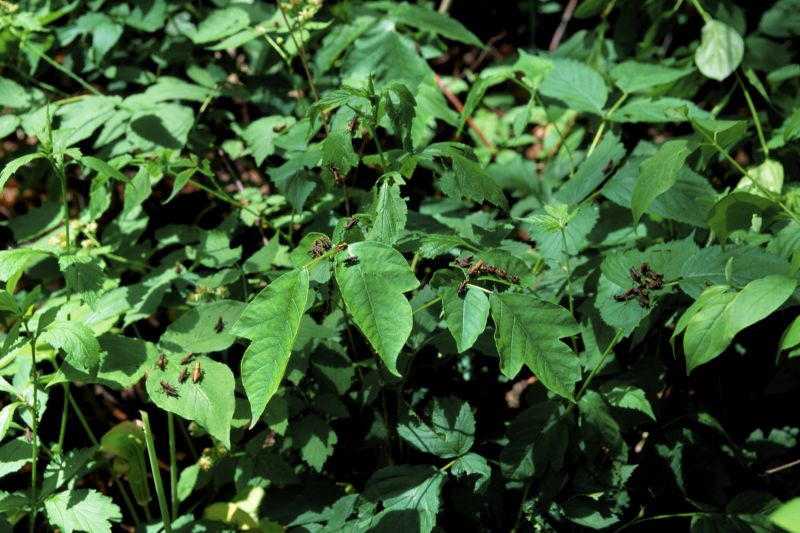
Poison Oak Removal in Lancaster, PA
Poison oak removal services focus on safely eliminating this hazardous plant from residential properties. These projects typically involve identifying and carefully removing poison oak from yards, gardens, and other outdoor spaces to prevent skin irritation and allergic reactions. Property owners often request this service when they notice poison oak spreading across their landscape, especially in areas where children or pets play, or when preparing outdoor spaces for activities such as gardening, landscaping, or recreational use.
Before requesting poison oak removal, property owners should consider the extent of the infestation and the location of the plants, particularly around sensitive areas like play zones, pathways, or near structures. It’s helpful to understand whether the plants are accessible for safe removal and if any nearby vegetation might be affected. Proper identification of poison oak is crucial to avoid accidental removal of non-hazardous plants, and knowing the scope of the project can assist in planning an effective and thorough removal process.
Many property owners in Lancaster, PA look into Poison Oak Removal for repairs, replacements, upgrades, and appearance-related improvements.
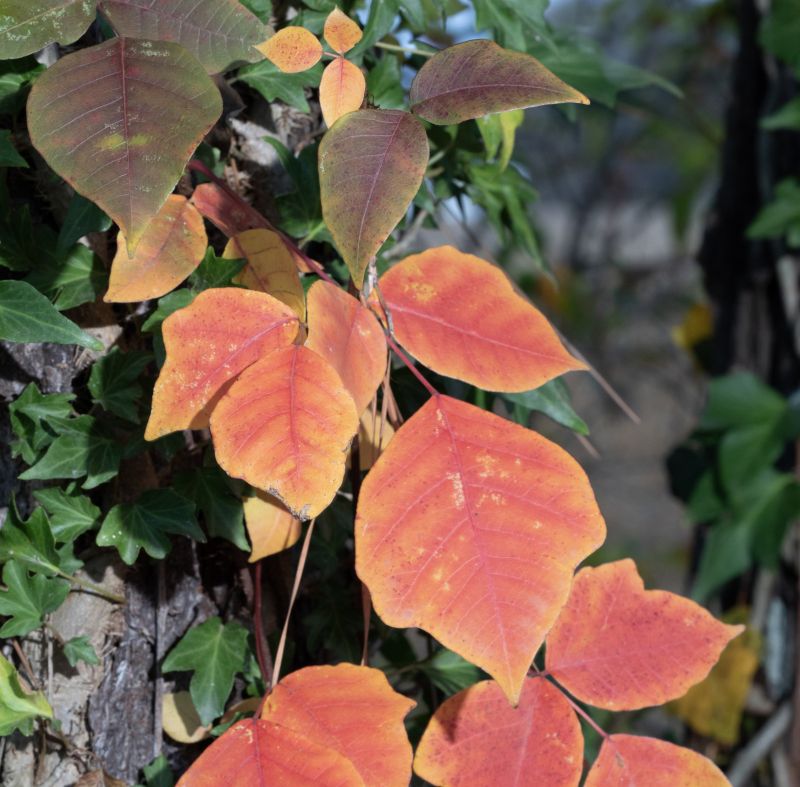
Poison Oak Identification
Understanding how to recognize poison oak is essential for safe removal and property maintenance.
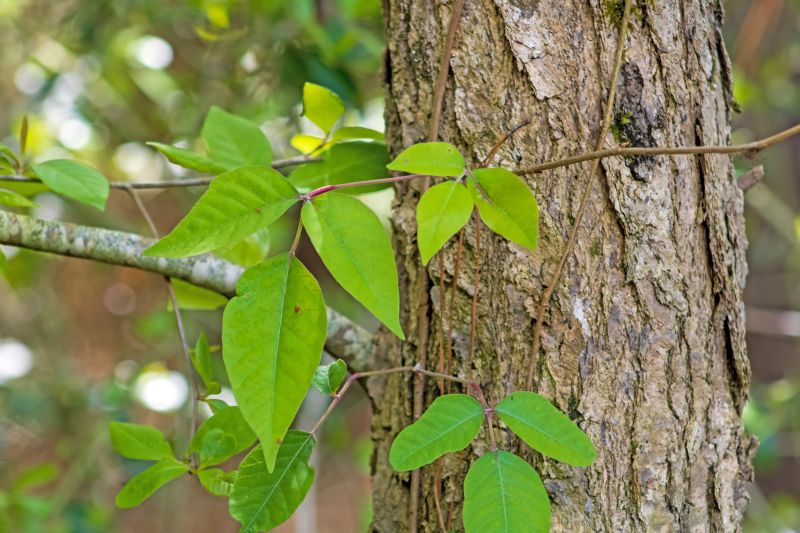
Property Safety And Cleanup
Removing poison oak helps prevent skin irritation and keeps outdoor spaces safe for family and pets.
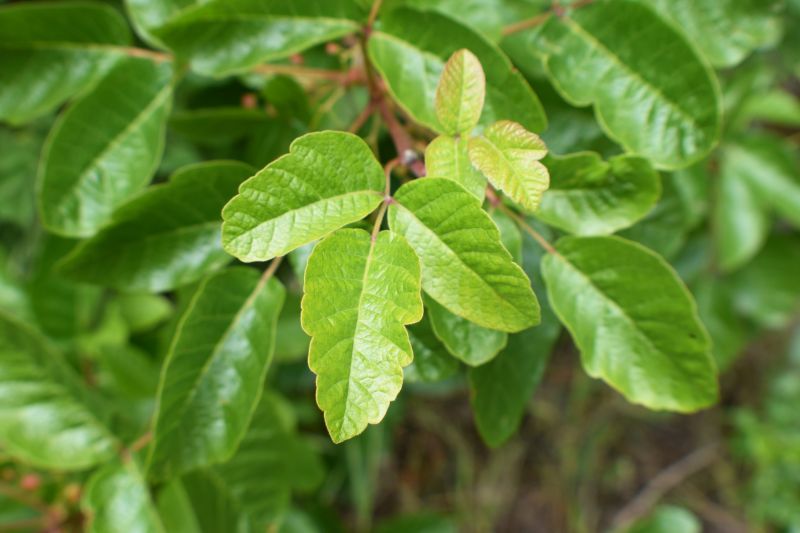
Professional Removal Solutions
Expert services ensure thorough removal of poison oak to protect lancaster area properties effectively.
Poison Oak Removal in Lancaster, PA
Poison oak removal services focus on safely eliminating this hazardous plant from residential properties. These projects typically involve identifying and carefully removing poison oak from yards, gardens, and other outdoor spaces to prevent skin irritation and allergic reactions. Property owners often request this service when they notice poison oak spreading across their landscape, especially in areas where children or pets play, or when preparing outdoor spaces for activities such as gardening, landscaping, or recreational use.
Before requesting poison oak removal, property owners should consider the extent of the infestation and the location of the plants, particularly around sensitive areas like play zones, pathways, or near structures. It’s helpful to understand whether the plants are accessible for safe removal and if any nearby vegetation might be affected. Proper identification of poison oak is crucial to avoid accidental removal of non-hazardous plants, and knowing the scope of the project can assist in planning an effective and thorough removal process.
Many property owners in Lancaster, PA look into Poison Oak Removal for repairs, replacements, upgrades, and appearance-related improvements.
Common Poison Oak Removal Jobs
Poison Oak Removal - safely eliminates poison oak plants from residential landscapes.
Yard Clearing - removes poison oak along fences, pathways, and garden beds.
Property Maintenance - prevents poison oak regrowth through targeted removal.
Brush and Shrub Clearing - clears overgrown areas infested with poison oak.
Landscaping Cleanup - ensures safe, poison oak-free outdoor spaces.
Vegetation Management - controls poison oak spread to protect property and visitors.
Poison Oak Removal Questions
What is poison oak? Poison oak is a plant that can cause skin irritation upon contact, commonly found in wooded or brushy areas around Lancaster.
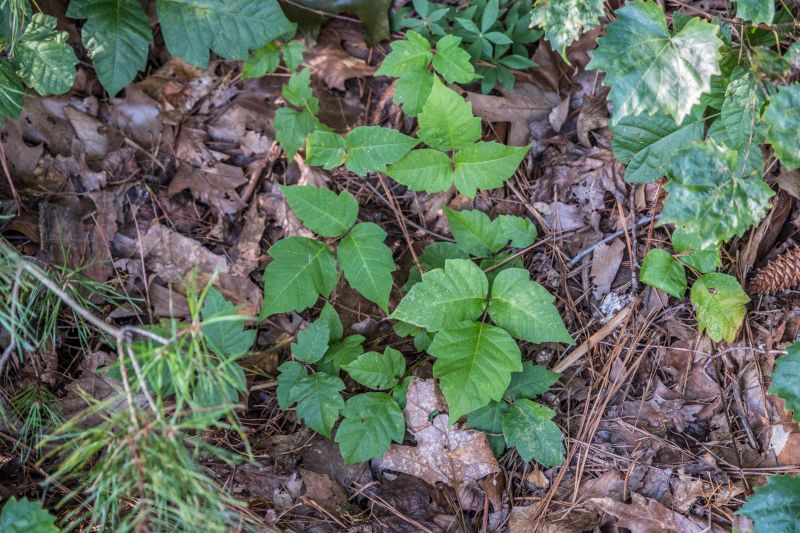
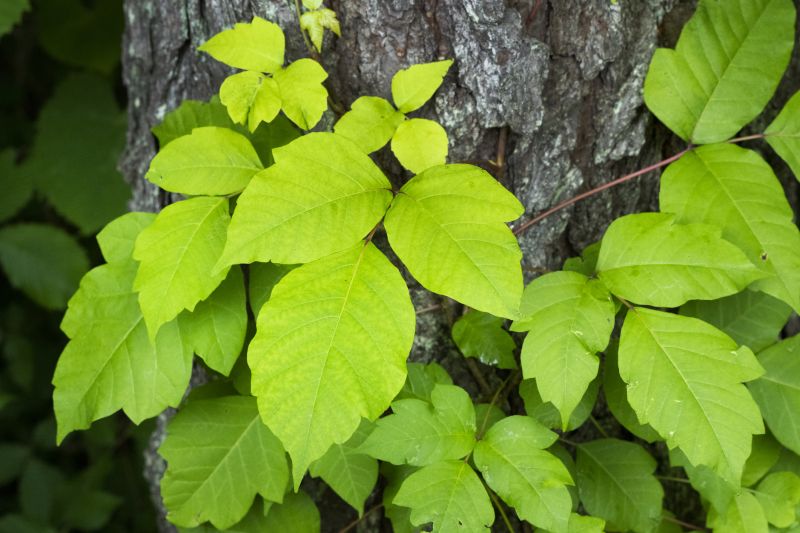
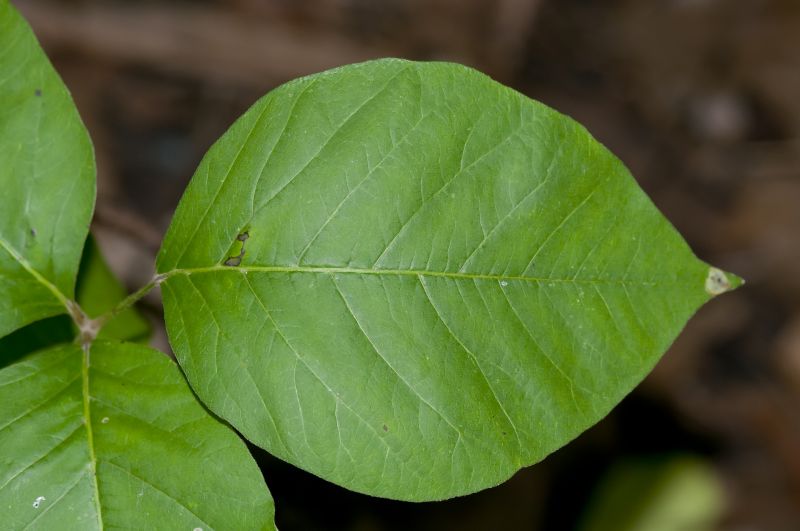
How can poison oak be identified? It typically has clusters of three leaflets with a shiny, oak-like appearance and can grow as vines or shrubs.
What are common signs of poison oak exposure? Skin redness, itching, swelling, and blistering are typical reactions after contact with the plant.
Why remove poison oak from a property? Removing poison oak helps prevent skin irritation and keeps outdoor spaces safe for use and enjoyment.
Request Poison Oak Removal in Lancaster, PA
Use the quote form on this page to share the basics of your project and request more information for the type of work you need.